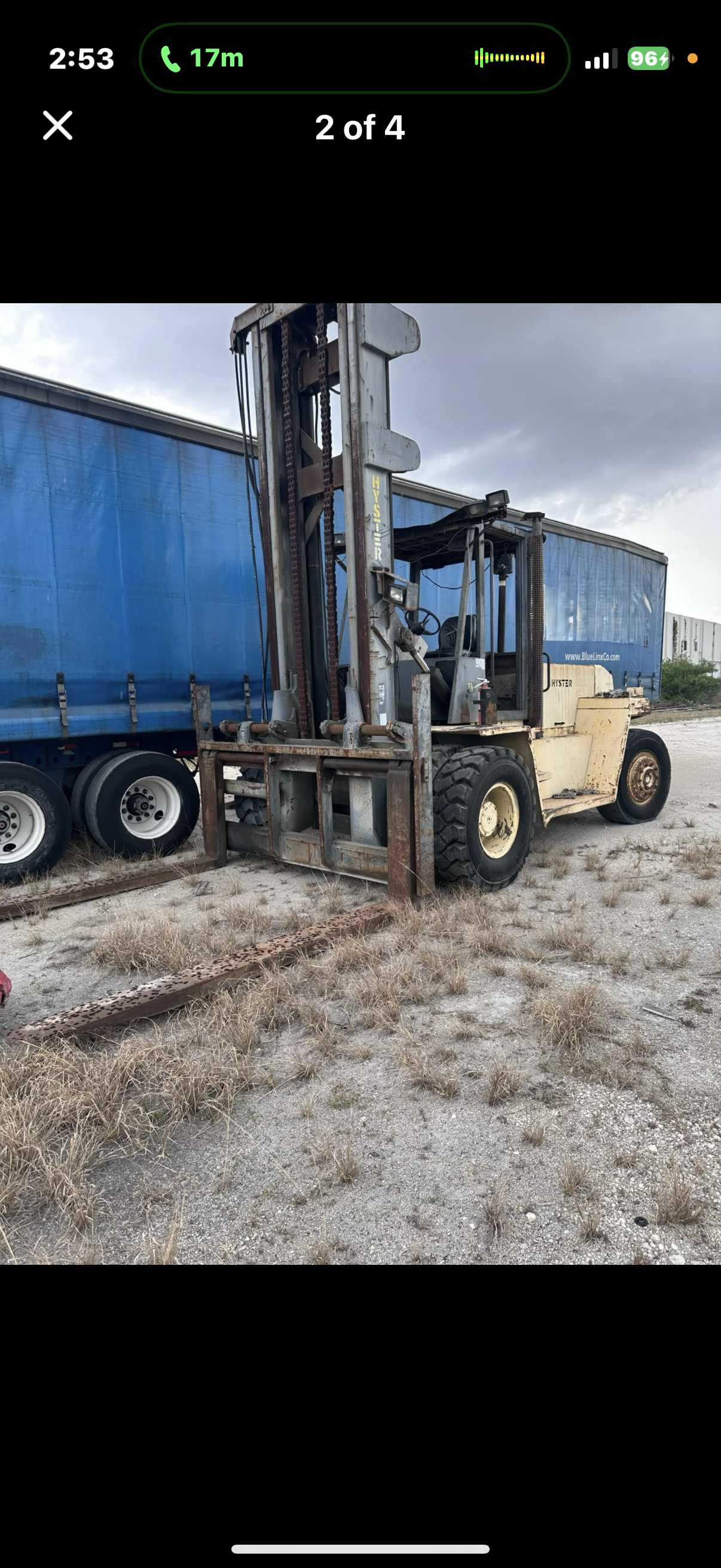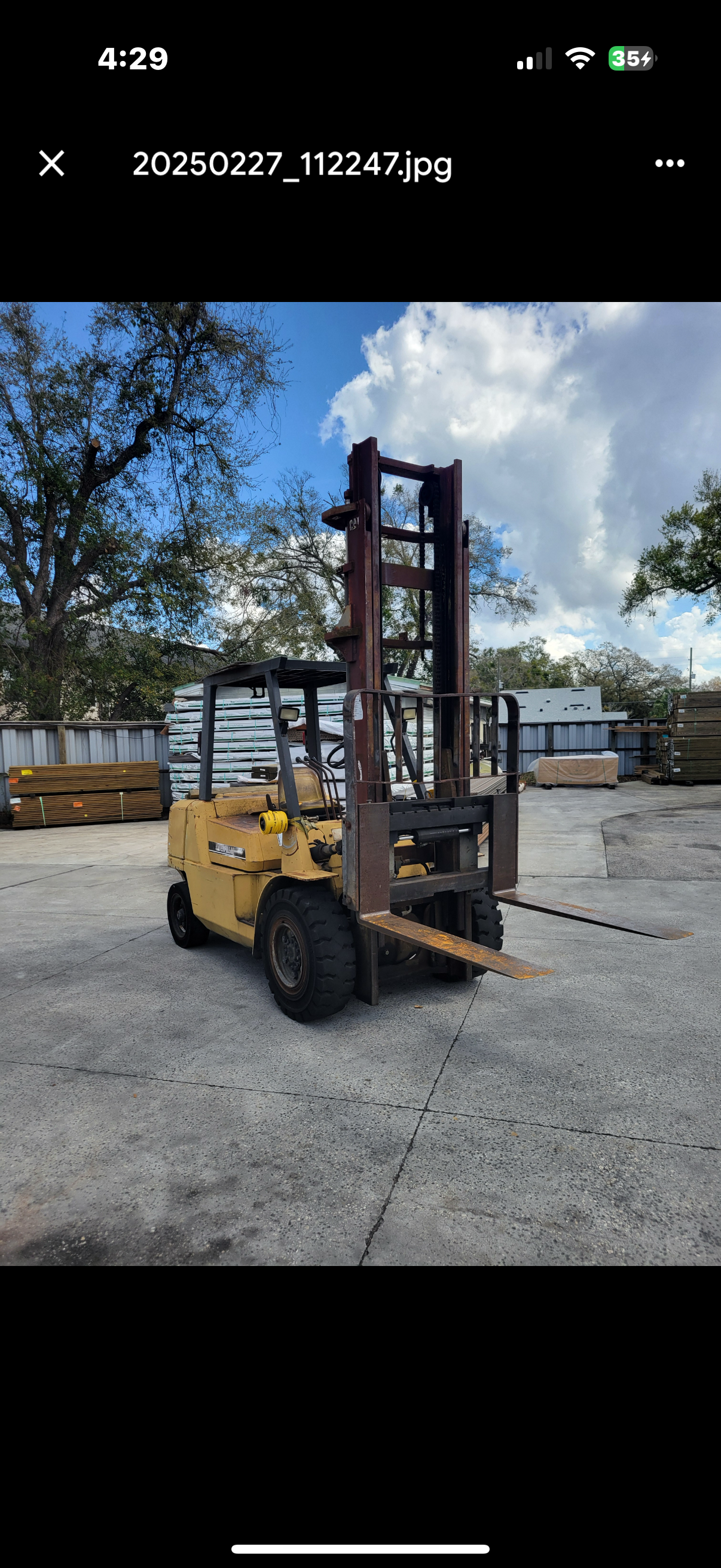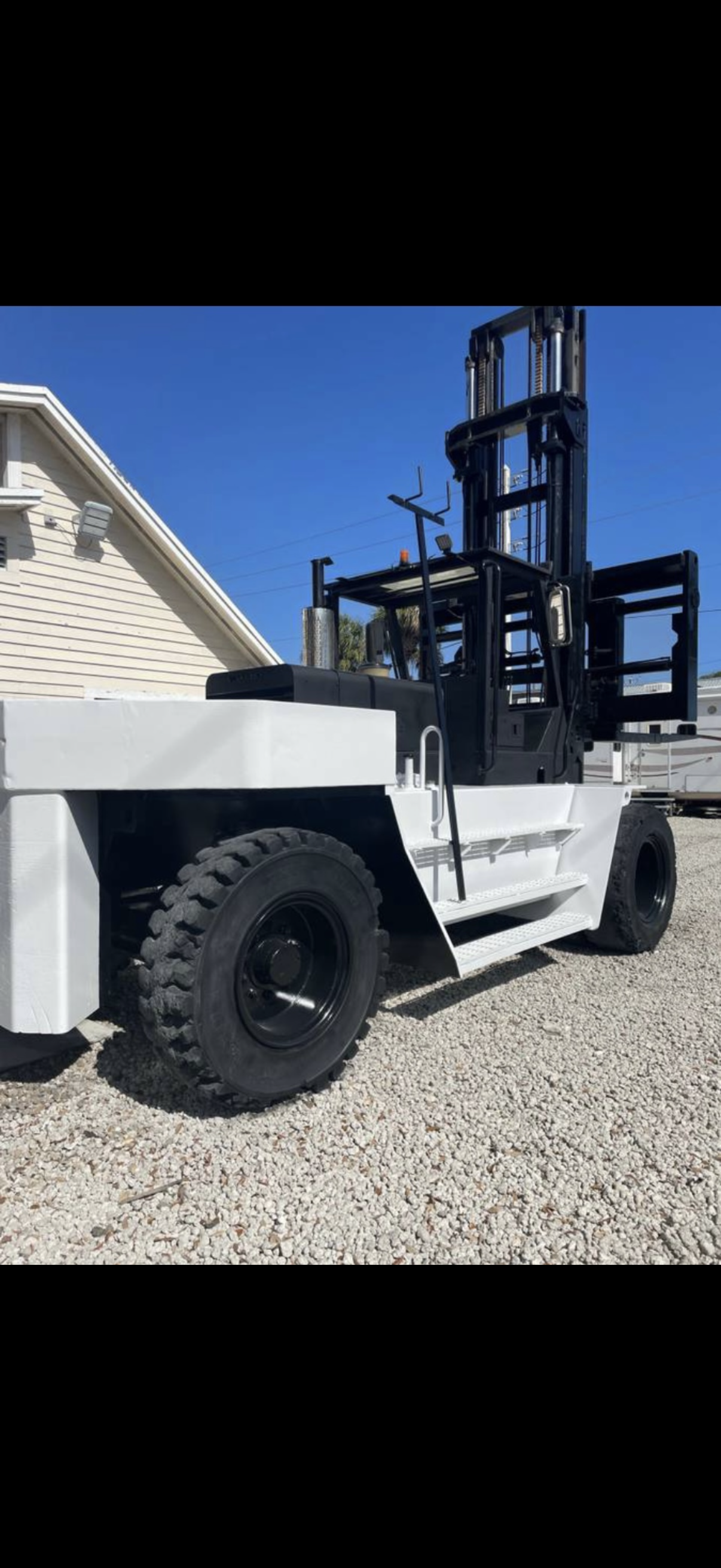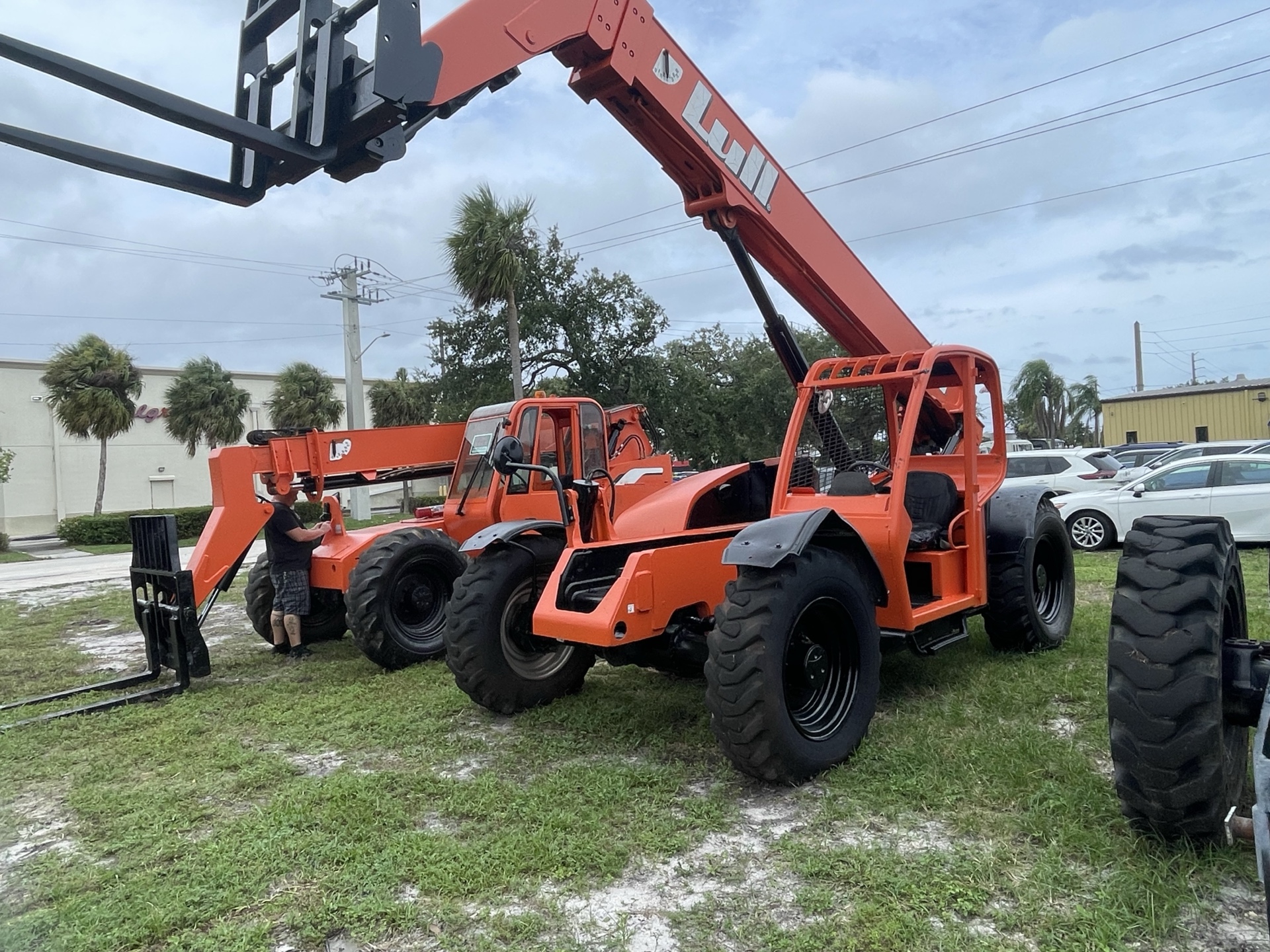
Send photos, get a firm offer the same business day, and take payment before our truck arrives. Any brand, any capacity, any condition — running or not. Freight and loading are entirely our cost, in every state.
We purchase used forklifts and material handling equipment for our own inventory with our own capital. That distinction changes everything about how the transaction feels.
A broker markets your unit and takes a fee from your proceeds. An auction gives you a result on a fixed date rather than a price today. A classified listing means fielding calls, arranging your own transport, and waiting for a serious buyer who may never appear. We commit to a number immediately, pay on acceptance, and send our own carrier.
It also means condition does not filter the deal. A forklift that has not started in three years still carries real value in its mast, transmission, drive axle, hydraulics, and counterweight. Tell us plainly what failed and the number holds when the truck is loaded.
From a single walkie behind a shop to forty mixed units in a closing distribution center, the process is identical: photos in, firm offer out, payment first, freight ours.
Send photos of the forklift, the data plate, and the hour meter. We reply with a firm number the same business day — usually within a few hours.
Warehouse electrics, propane sit-downs, heavy diesel iron, narrow aisle equipment, telehandlers, and container handlers. Click any category for detail on models, capacities, and what drives value.
Sit-down cushion and pneumatic tire forklifts from 3,000 lb to 15,000 lb capacity — the most common truck on any floor and our most frequent purchase.
48V and 36V electric sit-down and stand-up forklifts — with good batteries, dead batteries, or no battery at all.
LP gas forklifts from 3,000 lb to 12,000 lb — the workhorse of American warehouses, bought in any condition.
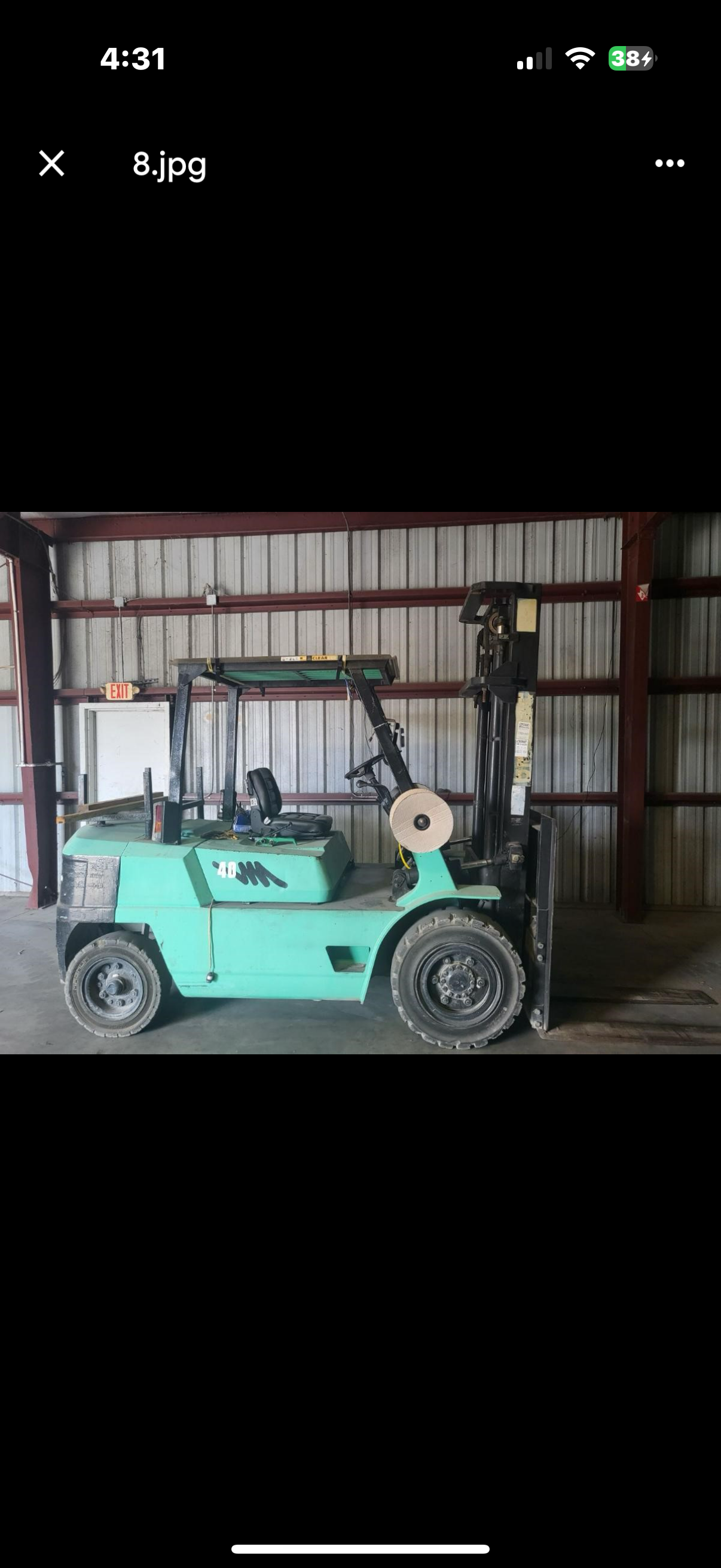
Diesel pneumatic forklifts from 5,000 lb to 36,000 lb — lumber yards, steel yards, ports, and construction fleets.
Stand-up reach trucks, double-reach, and narrow aisle units from Raymond, Crown, Yale, and Toyota.
Low, mid, and high-level order pickers — Crown SP and Raymond 5000 series, any hour meter.
Walkie and rider electric pallet jacks, 4,000 lb to 8,000 lb — plus manual pallet jacks by the lot.
Straight-mast rough terrain forklifts from 5,000 lb to 12,000 lb — Sellick, Case, JCB, and Master Craft.
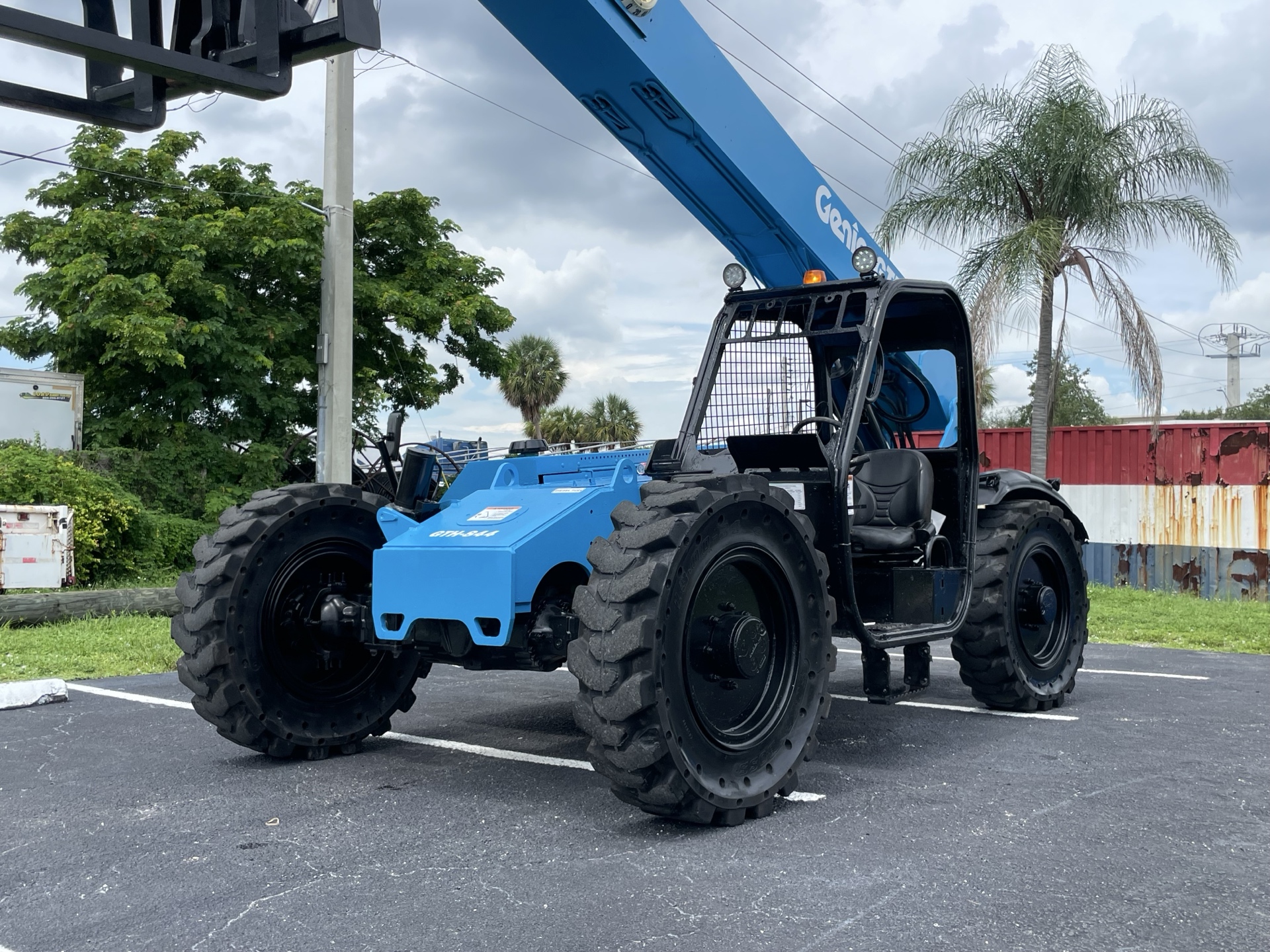
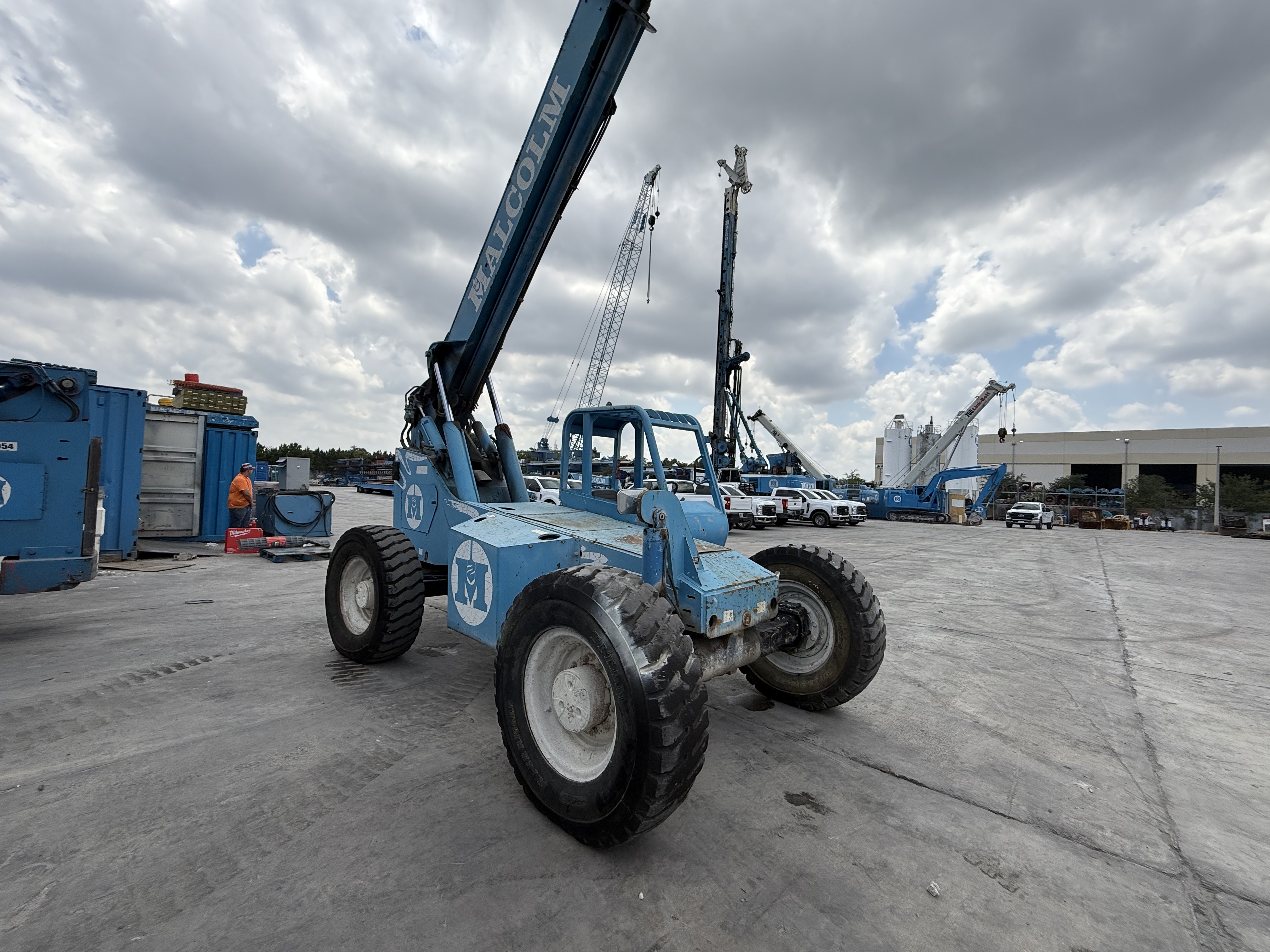
Telescopic boom forklifts from 5,000 lb to 12,000 lb — JLG, Genie, CAT, SkyTrak, and Lull.
Side loaders and multi-directional forklifts for long loads — Combilift, Landoll Bendi, and Baumann.
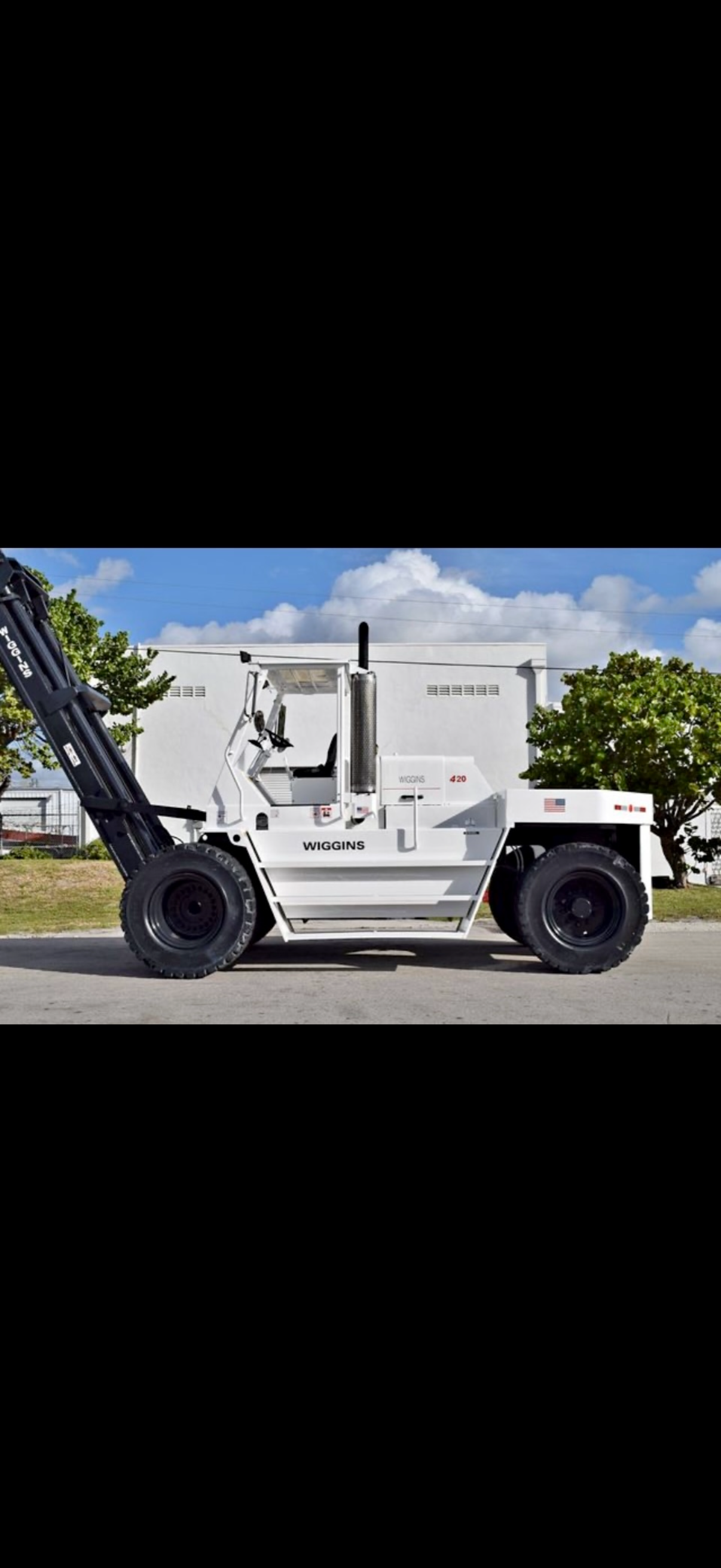
High capacity forklifts and container handlers from 20,000 lb to 100,000 lb — Taylor, Hyster, Kalmar, Hoist.
Whole-fleet liquidations, dealer trade-in overflow, rental retirements, and mixed lots of any size.


Text or email photos of the forklift — overall shots, the data plate, and the hour meter if it reads. No forms, no inspection appointments, no waiting on an appraiser.
We price from your photos and reply the same business day with a real number, not a range. What we quote is what you get paid.
Accept the offer and payment goes out before pickup. No consignment, no waiting for us to resell it, no reduced number at the dock.
Our carriers load and haul at our cost, including units that will not start or drive. You do not arrange a truck or pay a dime for transport.
Capacity sets the baseline value more than any other single factor, and the relationship is not linear. Find your class below.
Compact three-wheel electrics and small cushion trucks for tight warehouse aisles and light manufacturing. Toyota 8FBE15, Crown FC, Yale ERC030, Hyster E30. High turnover in the used market means fast offers.
The single most common capacity in America and the easiest truck for us to price. Toyota 8FGCU25, Hyster H50FT, Yale GLC050, Cat 2C5000, Clark C25 — propane, gas, diesel, or electric, cushion or pneumatic.
Mid-heavy trucks for lumber yards, block plants, and steel distribution. Toyota 8FGU35, Hyster H80FT, Yale GDP080, Cat DP40. Pneumatic tire units dominate this class and hold value well.
Heavy warehouse and outdoor duty — Hyster H100FT, Toyota THD, Cat DP50, Komatsu FD100. Dual front tires and enclosed cabs common, and the diesel units bring the strongest numbers.
Steel yards, precast, and paper mills. Hyster H155FT, Taylor TE155, Cat DP150, Komatsu FD150. A narrower buyer pool but higher per-unit value — exactly the equipment we specialize in moving.
Hyster H200HD, Taylor TX200, Hoist P-series, Kalmar DCE. Mill and port duty machines where rigging and heavy freight are the seller's main obstacle — and entirely our responsibility.
Taylor TX330 and TY400, Hyster H620 through H1150, Kalmar container handlers, Hoist F-series. The heaviest iron in material handling, bought where it sits with lowboy transport on us.
Toyota, Hyster, Yale, Crown, and Raymond move fastest because parts support is everywhere. But obsolete and off-brand iron is frequently worth more than sellers expect — when factory support ends, used machines become the only source.
Our carrier network reaches all fifty states. Location is our logistics problem, not a reason to reduce your offer.

A practical breakdown of how used forklift values are actually calculated — capacity, fuel type, hours, mast, tires, brand liquidity, attachments, and condition.

Why scrap weight pricing leaves thousands on the table on used forklifts, and how machine-level valuation works differently.

The exact shot list professional forklift buyers need, and the four photos sellers almost always forget.
The same business day in almost every case, and often within a couple of hours. Text or email photos of the forklift, the data plate, and the hour meter, and you will have a firm number back — not a range, not an estimate pending inspection. We are principal buyers using our own capital, so nobody has to route your unit through a committee.
Four things get you an accurate number: the make and model from the data plate, the capacity, the hour meter reading if it still works, and photos. For photos, take a shot of each side, one of the mast and carriage, one of the data plate, and one of the tires. Then tell us whether it starts and lifts. If you have attachments, a charger, or an LP tank, mention those too, because they add to the offer.
No. Freight is entirely our cost, in every state. Our carriers handle loading and hauling, including units that will not drive onto the trailer under their own power. For heavy capacity forklifts and container handlers we arrange lowboy and step-deck transport with rigging. You never book a truck, never pay a fuel surcharge, and never see a deduction for transport on your payment.
Before the truck leaves. Payment goes out once you accept the offer and we confirm pickup details — wire, company check, or cash depending on the size of the deal and your preference. We do not work on consignment, we do not pay after resale, and we do not renegotiate at the dock. The number you accept is the number you receive.
Both. One forklift sitting behind a shop is a perfectly normal transaction for us and we treat it the same way we treat a forty-unit deal: firm offer, payment upfront, freight on us. Fleets are where the largest dollars are, but a single unit is never too small to be worth a call.
Yes. A dead or missing battery changes the number, never the willingness to buy. Lead-acid packs carry core value even when they no longer hold a charge, and the truck itself is what most buyers want. If you still have the charger, include it — chargers add real money and we will take them in the same load.
All of them. Toyota, Hyster, Yale, Crown, Raymond, Caterpillar, Clark, Mitsubishi, Nissan, UniCarriers, Komatsu, Linde, Doosan, Hyundai, Jungheinrich, TCM, Daewoo, Taylor, Hoist, Kalmar, Combilift, Landoll, JLG, Genie, SkyTrak, Sellick, Big Joe, EP Equipment, and the obscure and discontinued names too. Older or off-brand iron is often worth more than sellers expect precisely because parts support has dried up and used units are the only source.
Yes. Side shifters, fork positioners, rotators, carton clamps, paper roll clamps, drum handlers, extended forks, and man baskets all have their own market. So do battery chargers, spare battery packs, and racks of forks. If you are clearing a maintenance area, tell us what is on the shelves — we regularly buy attachments and chargers in the same transaction as the trucks.
A scrap yard pays by the pound for steel. We pay for the machine as a machine — its make, model, capacity, hours, mast, attachments, and rebuildable components. On a running truck the difference is frequently several thousand dollars, and even on a dead unit our number generally beats scrap because the drivetrain and mast retain resale value that a shredder ignores. You also skip paying a hauler, since our freight is free.
That is our specialty. Mixed lots of any composition — propane sit-downs, reach trucks, order pickers, a wall of walkies, a telehandler, scissor lifts, racking-adjacent equipment — priced as one package with one payment and a coordinated pickup schedule. We work with facility managers, liquidators, and auctioneers on deadline-driven closures and can stage removal around your last day of operations.
Constantly, and many dealers keep us on standing call. Trade-ins that will not retail, aged inventory tying up floor space, units taken on allowance that do not fit your mix, and rental retirements. We buy them in bulk, pay upfront, and clear your back lot without you having to retail or auction anything.
Still buyable. A blown engine, seized transmission, dead hydraulic pump, or cracked mast rail is a line item in our valuation, not a disqualification. Be specific about what failed so the offer is accurate the first time and there is no adjustment later. Trucks with major mechanical faults are a routine part of our volume.
Yes. Telehandlers are among the strongest-value machines we purchase — JLG, Genie, CAT, SkyTrak, Lull, JCB, Manitou — and we buy scissor lifts and boom lifts alongside them, particularly from rental fleet retirements and contractors downsizing after a project. Include attachments like buckets, truss booms, and platforms in your photos.
Hours matter less than most sellers assume. A 20,000-hour propane truck that has been maintained can be worth more than an 8,000-hour unit that sat outdoors and rusted. We look at the whole picture: mast condition, hydraulic leaks, tire wear, cosmetic state, service history, and how the market is currently moving on that specific model. Send the hour meter photo and let us weigh it properly.
None. Offers are free and there is no obligation. Plenty of people contact us simply to establish a value for budgeting, insurance, or an internal approval process, then sell months later or not at all. We would rather be the number you compare against than not hear from you.
All fifty states plus Washington D.C. We are a nationwide buyer with carrier coverage everywhere, including rural areas that local dealers will not drive to. Remote locations do not reduce your offer, because freight is our cost and we build it into our own math, not into your number.
We do. Forklifts generally do not carry titles like on-road vehicles, so most transactions need only a bill of sale, which we prepare. For government, institutional, or corporate sellers who require purchase orders, W-9s, insurance certificates, or specific release forms, we complete whatever your process requires.
Yes, and we do it regularly. Units that have sat outside for seasons, sunk into gravel, or been parked behind a building since the last plant manager left are all normal for us. Our carriers handle recovery, including winching and rigging. Send photos showing access so we can plan the right equipment for retrieval.
In lots, yes. Manual pallet jacks, walkie stackers, drum lifts, hand trucks, and similar equipment are worth buying when there is volume. A single manual jack is not worth a freight run, but twenty of them alongside a couple of forklifts absolutely is, and it beats paying to dispose of them.
Typically two to seven business days depending on your location and the equipment involved. Metro areas on major freight lanes move fastest. Heavy capacity units needing lowboy transport or rigging take a little longer to schedule. If you are working against a lease expiration or facility close-out date, tell us the deadline and we will build the schedule around it.
Get ours too. Sellers are often surprised at the spread between offers on identical equipment, and we are frequently higher because we buy for our own inventory rather than brokering for a fee. Even if you use another buyer, having a second firm number in hand is free leverage.
Yes. We work with auctioneers, estate representatives, bankruptcy trustees, and liquidators who need equipment moved on a firm timeline. We can buy pre-auction to reduce risk, buy no-sale lots afterward, or take an entire equipment category off the catalog before the sale.
Yes, and cold-storage-rated units command premiums. Reach trucks, double-reach, turret trucks, order pickers, and walkies configured for freezer duty are in short supply on the used market. If your units have cold storage packages, wire guidance, or high-lift masts, make sure to say so — those specs raise the offer meaningfully.
Yes, and it is a large share of what we buy. A forklift that will not start, will not lift, or has not moved in years still carries real value in its mast, carriage, transmission, drive axle, hydraulics, and counterweight. We buy dead units every week. Tell us honestly what it does and does not do, send photos, and we price accordingly. A non-running truck gets a lower number than a working one, but it still gets a real offer and we still cover the freight, including winching it onto the trailer.
Text photos to 954-740-1983 or email them and we will reply with a firm number the same business day. Payment upfront, freight on us, in all fifty states.