TELEHANDLER SELLER GUIDE
WHAT AFFECTS USED TELEHANDLER VALUE?
Document manufacturer, model, year, hours, capacity, lift height, reach, tires, outriggers, steering, attachments, condition, and transport access.
DIRECT USED-FORKLIFT REVIEW
START WITH THE ACTUAL TRUCK
This guide addresses used telehandler resale factors. It is written for an owner, fleet manager, dealer, contractor, liquidator, or facility team that needs practical information before asking a buyer to review equipment.
This page connects used telehandler resale factors with identification, condition disclosure, seller preparation, value factors, ownership, loading, freight, payment terms, and the nationwide buyer directory.
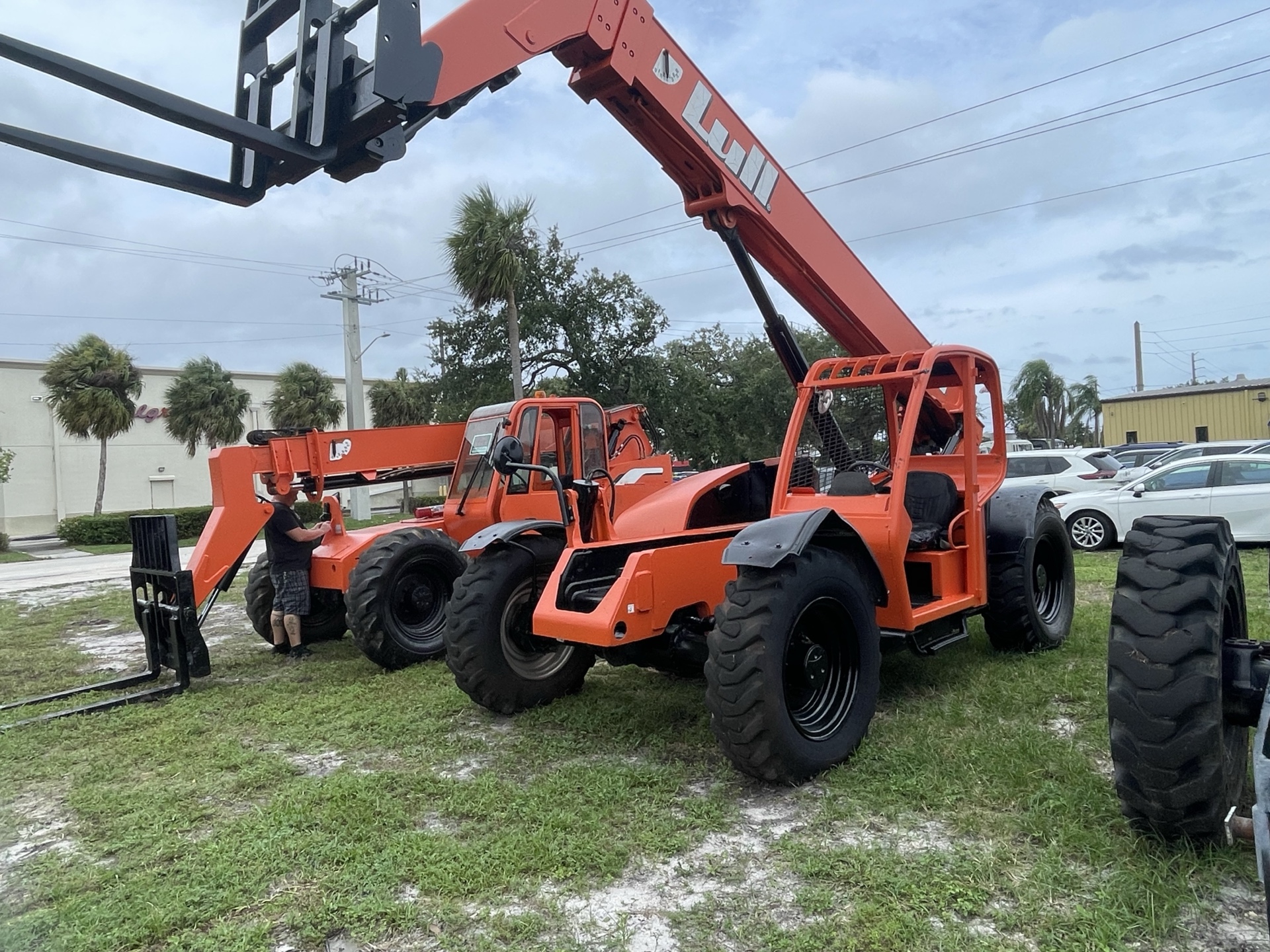
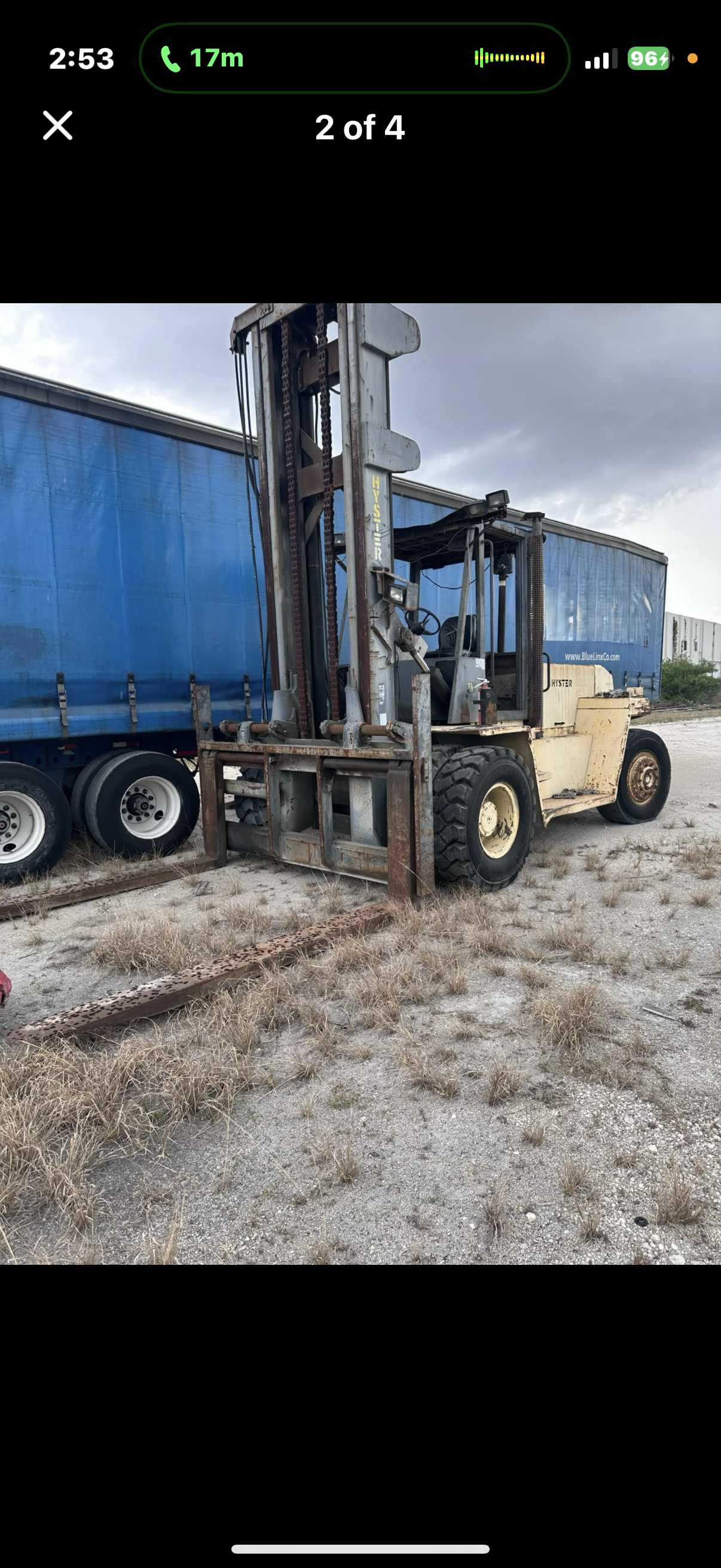
Sellers in the United States should begin with current wide photographs from all four corners. Add clear views of the manufacturer data plate, model and serial, rated capacity and load center, hour meter, mast stages, maximum fork height, carriage, forks, attachment plates, tires, operator compartment, counterweight, engine or battery compartment, charger, and every known area of damage. If the exact configuration is unknown, readable labels and complete exterior views are the most useful first evidence.
COMMON SELLERS
SINGLE TRUCKS, FLEETS & CLOSEOUTS
Common sellers include distributors, logistics operators, and cold-storage facilities consolidating warehouse fleets and manufacturers retiring material-handling assets during plant upgrades or production moves. Equipment can come from fleet replacement, warehouse redesign, discontinued operations, dealer consolidation, rental rotation, construction completion, lease returns, bankruptcy administration, property cleanout, or ordinary surplus. The reason for sale can explain availability, records, operating history, storage, removal access, and deadline.
A package may include one clean warehouse forklift, a matching fleet, non-running project trucks, telehandlers with attachments, reach trucks with batteries and chargers, or mixed equipment across several facilities. Quantity matters together with identity, configuration, condition, demand, distance, loading, and timing. A smaller specialized unit can sometimes be more practical than a large undocumented group.
Do not discard the data plate, separate a matched charger, remove an attachment, cut forks, drain a battery improperly, or scrap a complete truck solely to prepare a quote. Photograph and list the equipment first. Preserve service records, manuals, spare keys, chargers, battery information, forks, attachments, and fleet spreadsheets when available.
WHAT A BUYER NEEDS
IDENTIFICATION CHANGES THE REVIEW
A complete submission for Telehandler Resale Value Guide identifies manufacturer, model, serial number, approximate year, rated capacity, load center, power source, mast configuration, lowered and raised height, fork length, tire type, attachment, hour-meter reading, battery voltage, charger details, known faults, quantity, ownership, pickup address, and release timing.
For multiple units, use one line per truck instead of describing everything as an average fleet. Separate running units from non-running equipment, electric from LPG or diesel, warehouse trucks from rough-terrain equipment, batteries from chargers, and mounted attachments from loose components. A structured list helps a buyer consider each asset without assuming every unit has the same condition or value.
Lots involving telehandlers, rough-terrain forklifts, carriages, forks, buckets, booms, and other matched accessories benefit from data-plate photographs and unit-level condition notes. Other opportunities may include single forklifts, matching fleets, dealer inventory, rental returns, spare batteries, chargers, and parts packages. Describe the mix honestly, including damaged, incomplete, high-hour, weather-exposed, modified, obsolete, or non-running equipment.
Identifiable equipment may have value beyond ordinary scrap because a direct review can consider complete-truck use, parts demand, matching batteries or chargers, specialized capacity, mast configuration, attachments, and fleet consistency. That outcome remains conditional; no price or purchase is promised until the equipment, ownership, condition, and transaction requirements are reviewed.
LOADING, FREIGHT & PICKUP
PLAN MOVEMENT BEFORE A TRUCK IS SENT
For the United States, explain whether the unit is indoors, outside, blocked by inventory, in a rack aisle, at ground level, or on a job site. State whether each unit can move under its own power, whether forks lower, whether steering and brakes work, and whether another forklift, dock, winch, rollback, Landoll, lowboy, crane, or rigger may be required.
On an approved purchase, the written terms identify price, payment method, freight, buyer loading costs, seller loading work, site labor, carrier type, appointment, and pickup responsibility. This does not automatically include repairs, battery service, towing, rigging, permits, environmental work, union labor, site restoration, or operator support.
No carrier or loading crew should be dispatched until the equipment list, price, payment timing, title or ownership evidence, pickup address, site contact, release window, loading method, safety requirements, and responsibility for a unit that will not move are clear in writing.
CONDITION & VALUE
DISCLOSE THE GOOD AND THE BAD
The equipment category is only the starting point. Manufacturer, model, serial, age, rated capacity, load center, power source, mast, tires, attachment, hours, battery, charger, maintenance records, current demand, location, loading requirements, and freight can all affect whether used telehandler resale factors fits a direct purchase.
Condition details such as mast channels, rollers, chains, carriage, hoses, cylinders, fork heels, tires, wheels, and visible structural repairs help distinguish a ready-to-work unit from one that needs repair, parts recovery, or recycling. Running video can be useful when safe, but it does not replace clear current photographs and honest disclosure of warning lights, leaks, unusual sounds, intermittent faults, missing components, structural repairs, and storage history.
Forklifts Buyers may decline equipment, request more information, separate a fleet into different categories, or explain that recycling is more practical. A careful review is more responsible than guaranteeing a number before identity, ownership, configuration, condition, access, safety, and transportation are known.
BEFORE YOU REQUEST A QUOTE
MAKE THE FIRST REVIEW USEFUL
Photograph scale, identity, configuration, and condition. Include all four corners, data plate, hour meter, mast, carriage, forks, attachments, tires, operator compartment, counterweight, engine or battery area, charger, warning lights, leaks, damage, and the path to the loading point. Do not operate unsafe equipment, climb raised masts, bypass interlocks, enter restricted areas, or expose yourself to battery acid, fuel, hot components, or unstable loads for a photograph.
State what outcome you need and when. A flexible warehouse cleanout is different from a lease turnover or auction removal with a fixed date. Mention appointment requirements, badges, union rules, dock limits, outdoor ground conditions, keys, fuel, dead batteries, flat tires, blocked aisles, and equipment needed to move a non-running unit before transportation is planned.
For Telehandler Resale Value Guide, the next step is a direct review—not an automatic purchase. Call, text current photos, or use the normal request form on this page. The buyer will explain whether additional plate details, measurements, video, service information, ownership documents, loading information, or site photographs are needed.
SELL USED MATERIAL-HANDLING EQUIPMENT
SHOW US THE TRUCK OR FLEET
Send current photographs, data plate, hours, capacity, mast, tires, power source, battery or charger details, attachments, known faults, quantity, pickup location, access, and timing.